
 Join us





Desk | Nagpur
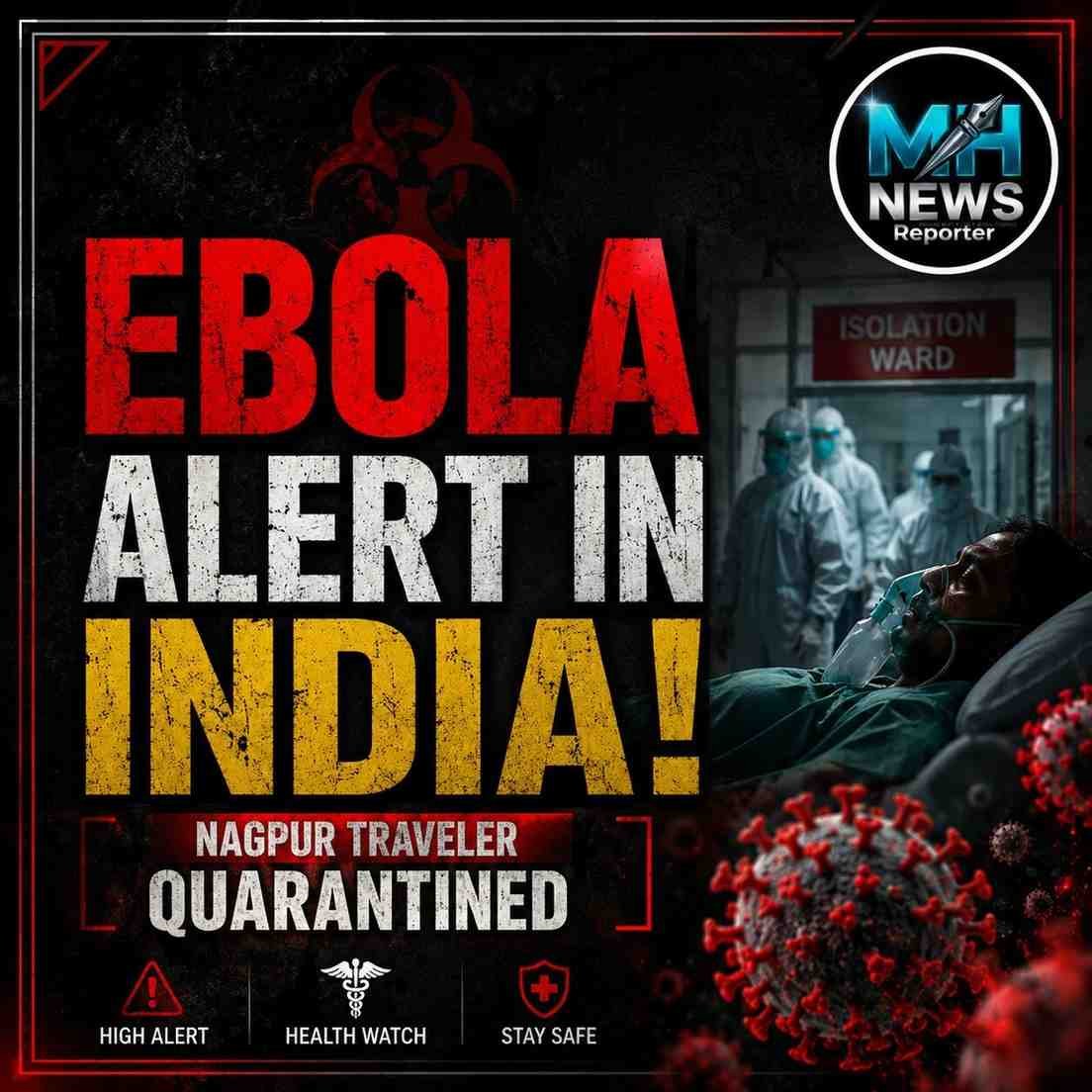
India has stepped up surveillance measures amid growing concerns over the spread of the Ebola virus, which has caused serious outbreaks in parts of Africa. Authorities in Nagpur have placed a 47-year-old traveler from Uganda under precautionary home quarantine after the individual arrived in the city via Mumbai on May 23.
The move comes as health officials across the country remain on high alert due to rising global concerns surrounding Ebola outbreaks in several African nations. According to local authorities, the traveler has not shown any symptoms associated with Ebola so far, but officials are closely monitoring the situation to prevent any potential risk.
Nagpur Municipal Corporation (NMC) and the health department initiated monitoring immediately after receiving information about the traveler’s arrival. Health officials have confirmed that medical teams are conducting regular assessments and maintaining strict observation protocols.
Ebola remains one of the world’s most dangerous viral diseases, primarily spreading through direct contact with infected individuals or contaminated bodily fluids. Past outbreaks across Africa have resulted in thousands of deaths, making early detection and preventive action critical.
India has also strengthened screening procedures at airports, especially for passengers arriving from countries reporting Ebola cases or outbreaks. Enhanced monitoring systems and health checks have been implemented to ensure rapid response in case of suspected infections.
Health authorities emphasized that, as of now, there is no official confirmation of Ebola infection in the quarantined traveler. Officials have urged citizens not to panic and assured the public that all precautionary measures are being followed.
Meanwhile, African nations continue to battle recurring outbreaks, with health agencies worldwide closely tracking developments. International organizations, including the World Health Organization (WHO), have advised countries to maintain vigilance and strengthen surveillance systems to contain potential cross-border spread.
Officials in Nagpur have reiterated that the situation remains under control, while citizens are encouraged to rely on verified information and follow public health advisories.